
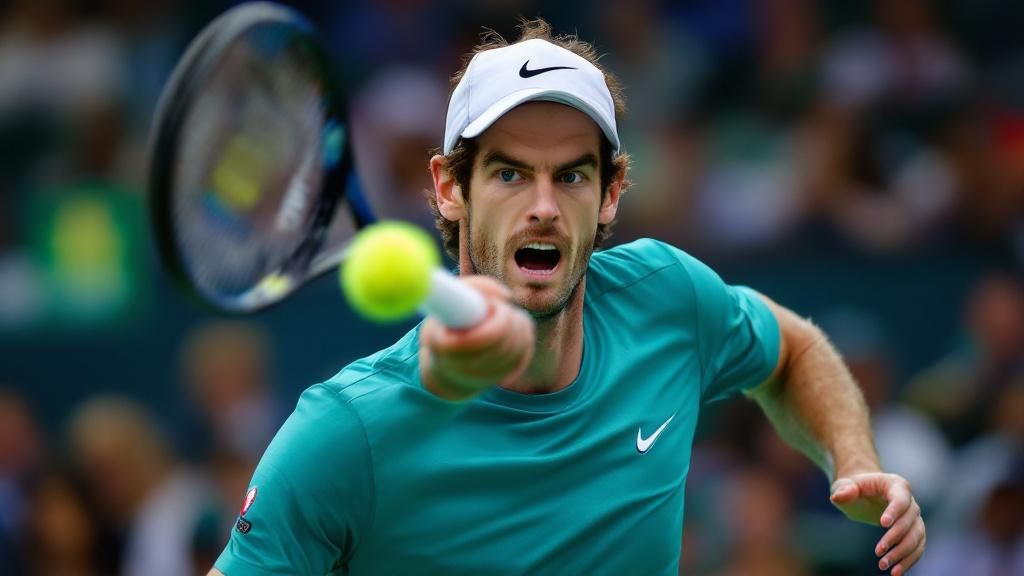
Andy Murray’s meticulously planned comeback to competitive tennis has disrupted the British athletics hierarchy, signalling a possible resurgence for the nation’s most successful player. Following his major surgical procedure, Murray’s strategic return to competitive play promises to reshape the landscape of British tennis, motivating a younger cohort whilst rekindling hopes of more Grand Slam triumphs. This article examines how his disciplined method to competitive play is shaping grassroots development, supporting rising prospects, and reinforcing Britain as a competitive powerhouse in global tennis.
The Returning Champion
Andy Murray’s return to professional competition goes well beyond a singular success; it demonstrates perseverance and fortitude that resonates throughout the British sporting landscape. After facing a serious hip procedure that threatened his career, many doubted if the three-time Grand Slam champion would ever compete at the highest level again. His choice to attempt a return, however, demonstrates an unwavering commitment to his game and an unbreakable resolve that has shaped his professional journey. The athletics fraternity watches with genuine intrigue as Murray confronts this critical juncture, showing that neither age nor injury must shape an athlete’s direction or performance goals.
The implications of Murray’s strategic return go far past his solo achievements on court. His participation in professional tournaments revitalises British tennis, delivering a concrete demonstration of perseverance to emerging athletes dealing with their own difficulties. Moreover, his comeback narrative delivers invaluable lessons in psychological strength and bodily recovery, setting new markers for athletic longevity. As Murray plays again, he concurrently guides the next generation, forging a link connecting recognised achievement and rising prospects that reinforces the complete British tennis community.
Effect on British Tennis Growth
Murray’s re-entry into competitive play has generated substantial progress within UK tennis development. His involvement in major tournaments elevates the sport’s profile across Britain, drawing enhanced financial support in young player training schemes and training facilities. The ripple effects extend beyond professional ranks, inspiring local engagement and pushing sports authorities to prioritise player discovery and support structures for rising British competitors.
Mentoring and Support
Beyond his on-court performances, Murray has assumed an growing significant mentoring role within the UK tennis sector. His readiness to impart experience gained from performing at the elite standard provides essential support to younger players charting their own professional paths. This casual mentoring influence complements formal structures, delivering practical insights into competition readiness, psychological strength, and handling career demands.
Murray’s accessibility to rising players signals a break with conventional power structures across professional competition. By working closely with promising young players, he shows dedication to the advancement of British tennis. His coaching role goes beyond technical instruction, including strategic career guidance, sponsorship negotiations, and mental approaches vital to maintaining sustained competitive performance in international competition.
- Provides expert advice on tournament selection and scheduling
- Shares psychological strength methods developed throughout professional journey
- Facilitates connections to coaching and support staff networks
- Demonstrates workplace excellence through reliable dedication
- Encourages equilibrium between ambition and individual health
Competitive Results and Standings
Murray’s re-entry into competitive tennis has shown impressive durability, with his statistical indicators revealing a player determined to reclaim his standing among the sport’s top players. Despite the inevitable physical demands of professional competition, his positional progression has gradually climbed, reflecting both his skilled technique and psychological resilience. His wins over proven rivals have prompted fresh conversation about his ability to compete for championship victories, whilst at the same time offering important insights on his rehabilitation status and playing condition.
The strategic approach of Murray’s tournament selection has proven instrumental in overseeing his recovery whilst maintaining competitive edge. By carefully balancing elite-level events with sufficient rest intervals, he has optimised his performance trajectory without compromising lasting viability. His achievements have galvanised British tennis enthusiasts and commentators alike, proving that age and previous injury need not reduce a competitor’s drive or accomplishments at the top levels of professional sport.
Future Prospects and Legacy
Andy Murray’s strategic return to professional competition has substantially reshaped understandings of what constitutes a successful tennis career. His thoughtful methodology demonstrates that longevity and purposeful competition can function alongside physical challenges, providing important insights to ambitious sportspeople globally. The wider consequences of his resurgence extend beyond private accomplishment; Murray’s participation on tour reinvigorates UK tennis development, drawing funding and press coverage previously directed elsewhere. His impact on emerging talent demonstrates how experience and resilience go beyond conventional career trajectories, establishing fresh standards for athletic perseverance.
Looking forward, Murray’s legacy will undoubtedly comprise more than tournament victories and ranking positions. His focus on nurturing rising British players has established a enduring framework for the future generation of competitors pursuing global recognition. By reconciling competitive goals with mentoring obligations, Murray has positioned himself as both playing member and guardian of British tennis’s future. This two-fold responsibility bolsters the nation’s competitive foundation whilst ensuring his deep experience benefits the sport far beyond his final competitive appearance, cementing his status as influential presence within British sporting history.
